An article by Karen Kamel
Where does inspiration come from? What does it truly amount to? Is it similar to one of those cartoon-like lightbulbs that appear above someone’s head the second a new idea sparks into being, or is it a slow unfolding of shapes, colors, and memories, gradually coalescing into an idea in the imagination? For creatives, that moment of clarity is often just the tip of a much deeper, unseen process.
Whatever it may be—it’s all about recreation. The culmination of one or many ideas into an elevated creation, through the lens of its maker’s vision. It’s the intersection of perception, language, and meaning that uncovers the underlying rudiments of an idea. The one embedded in every fabric and fold, molded into the prototypes, reflecting an emotion back to the world that created it.
Fashion, an artistic force, always comes down to the construction of narratives and references that mirror the world and the perpetual movement of politics, culture, and nature, yet it is still perplexing that it is never entirely pinpointed by one absolute notion.
So, the question remains: What are the motifs that lie at the foundation of every design, woven into the very core of the brand?
Here’s how some of fashion’s most influential designers have articulated that idea.
Personal Style as a Statement
Maison Margiela
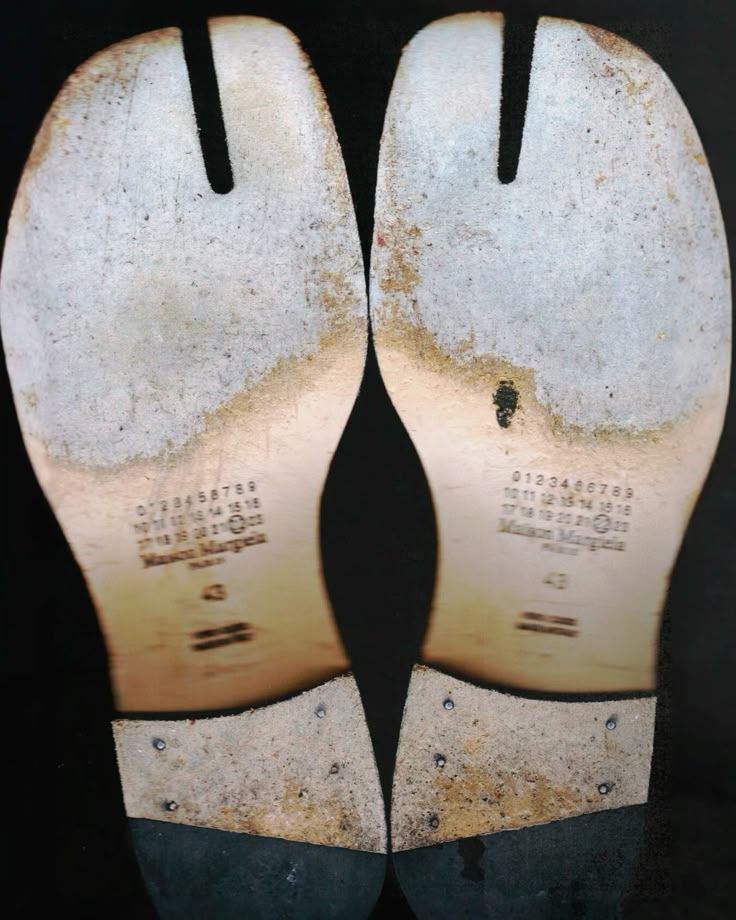
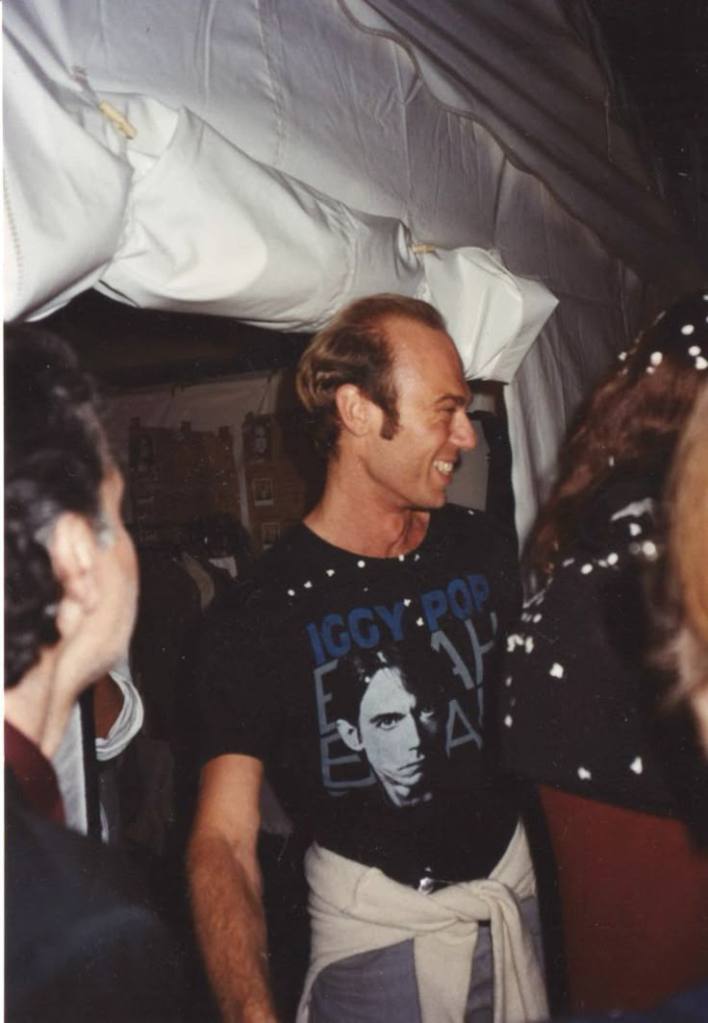
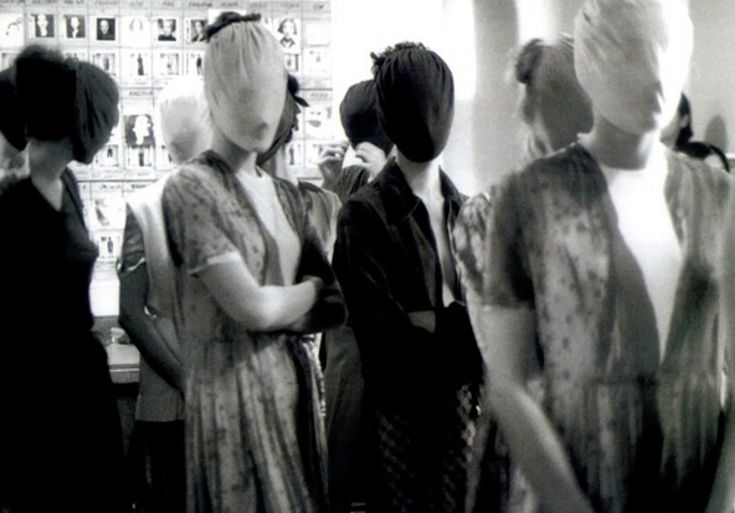
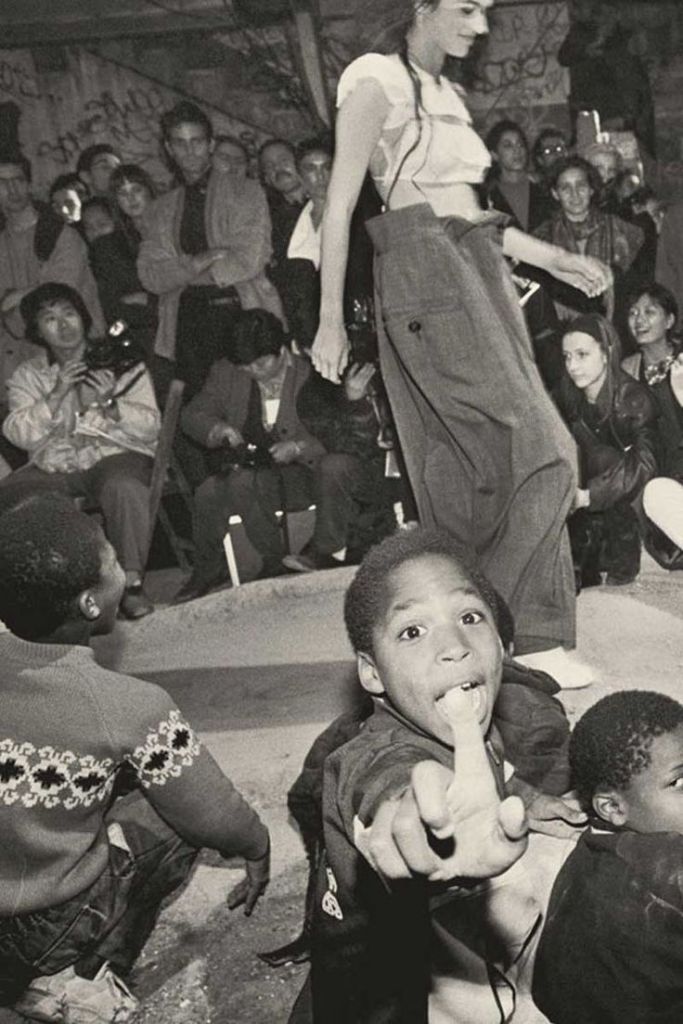
Ever heard the phrase ‘let the product speak for itself’—it perfectly captures Martin Margiela’s philosophy: letting the clothes shine rather than himself. With models masked on the runway and dresses showcased on hangers, the brand became synonymous with anonymity. He sought to eliminate the bias that comes with branding and celebrity attention.
In the documentary ‘Martin Margiela: In His Own Words,‘ he explained, “Anonymity is very important. It balances me in the sense that I am like everybody else. I always wanted my name to be linked to the product I created, not to the face I have.” The substance of the product is meant to supersede the exposure, especially when the clothes come to life and echo waves on the street.
Tom Ford
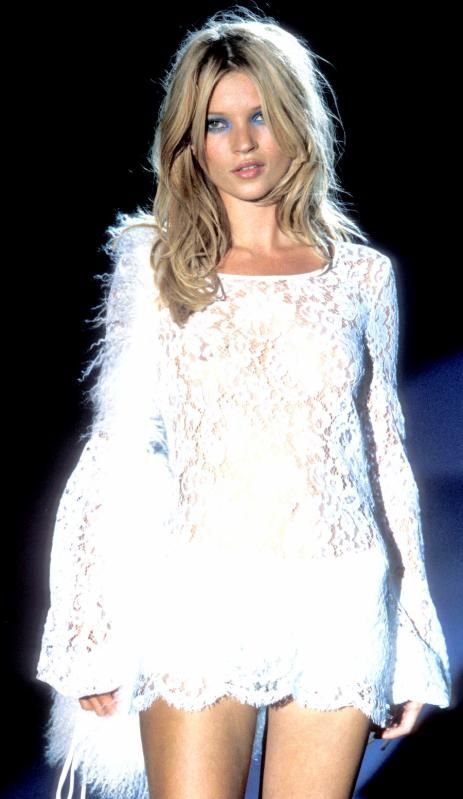
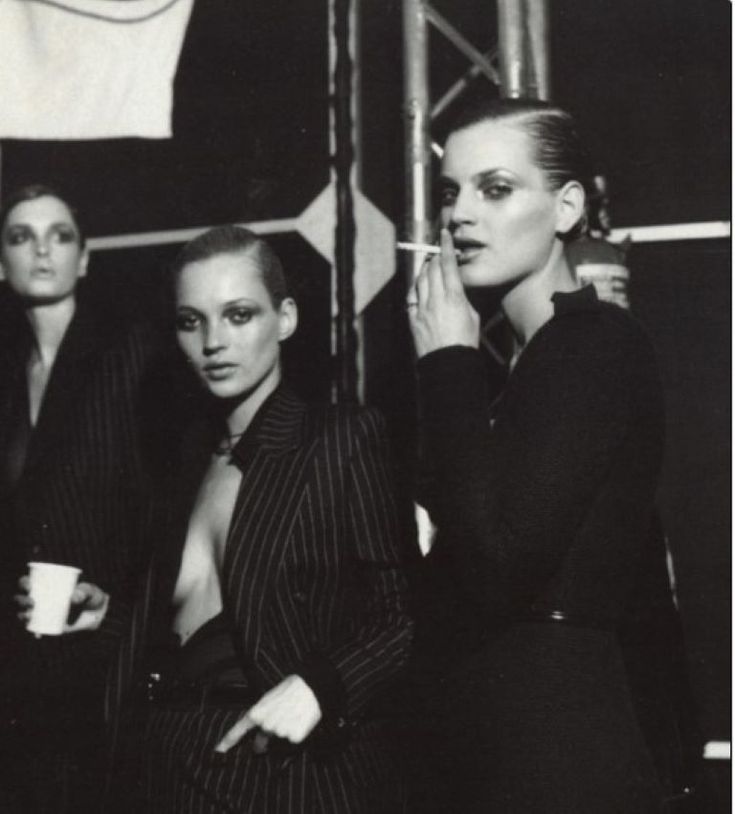
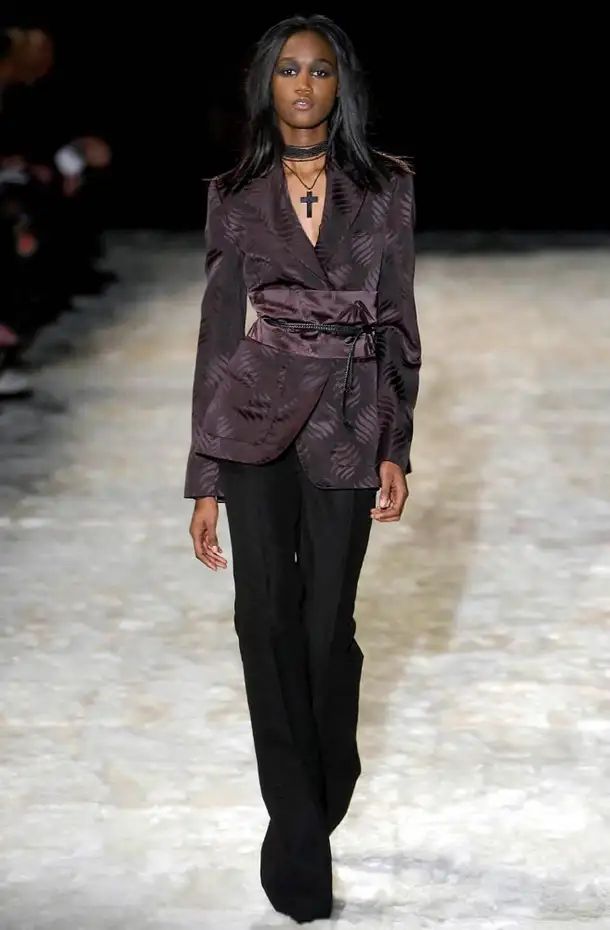
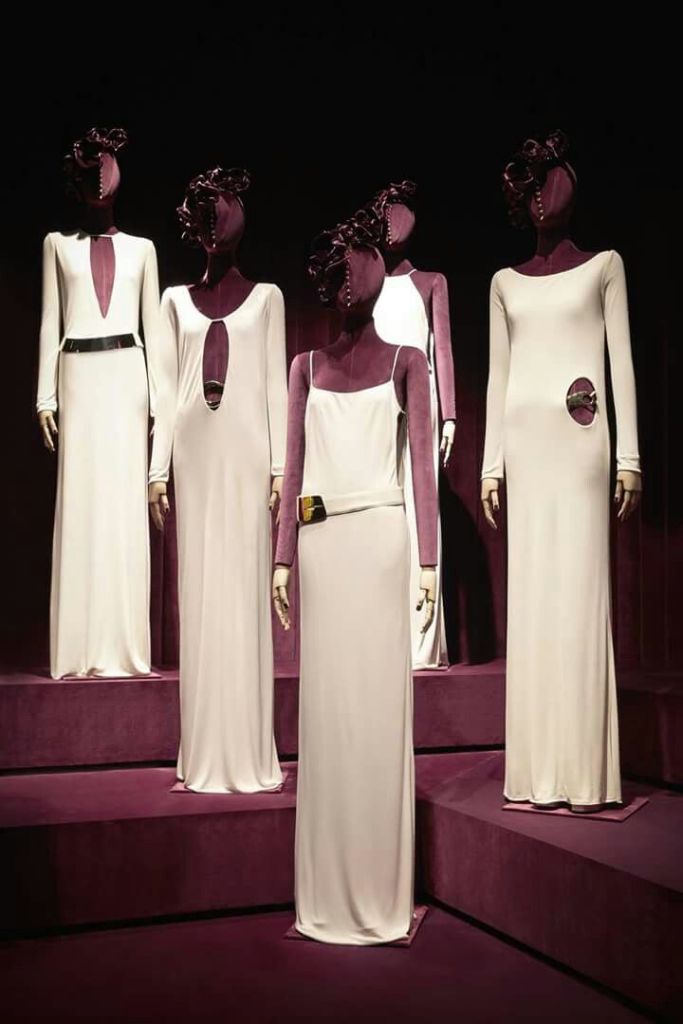
Tom Ford, the fashion mogul who single-handedly revived Gucci when it was nearly on the outs in 1995, is one of the designers that arguably radicalized modern-day dressing. He didn’t simply redefine desire; rather, he gave it an alternate reality. His take on gender roles and sensual dressing created a world where only his vision took center stage, and it hasn’t left since. Paradoxical yet clear, his artistic expression discernibly gave the designs their very own livelihood.
“I work in an industry that I sometimes have mixed feelings about because we convince people that they’re not perfect enough, that they need this and that. We promote materialism, which ultimately really is not the thing that brings you happiness in the world. You plaster yourself in what you think you’re supposed to be wearing, and you’ve lost yourself,” Ford said in the Visionaries: Inside the Creative Mind documentary.
Instead of merely copy-pasting the runway looks exactly as styled, he went on to note that showcasing a true sense of personal style never goes out. There’s only so much originality in confidence; it’s all about what gives it meaning.
Back to the basics: Less is More
Vivienne Westwood
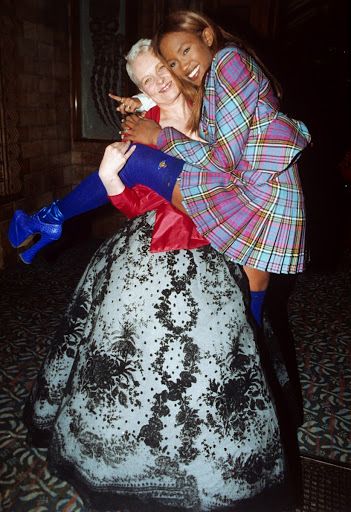
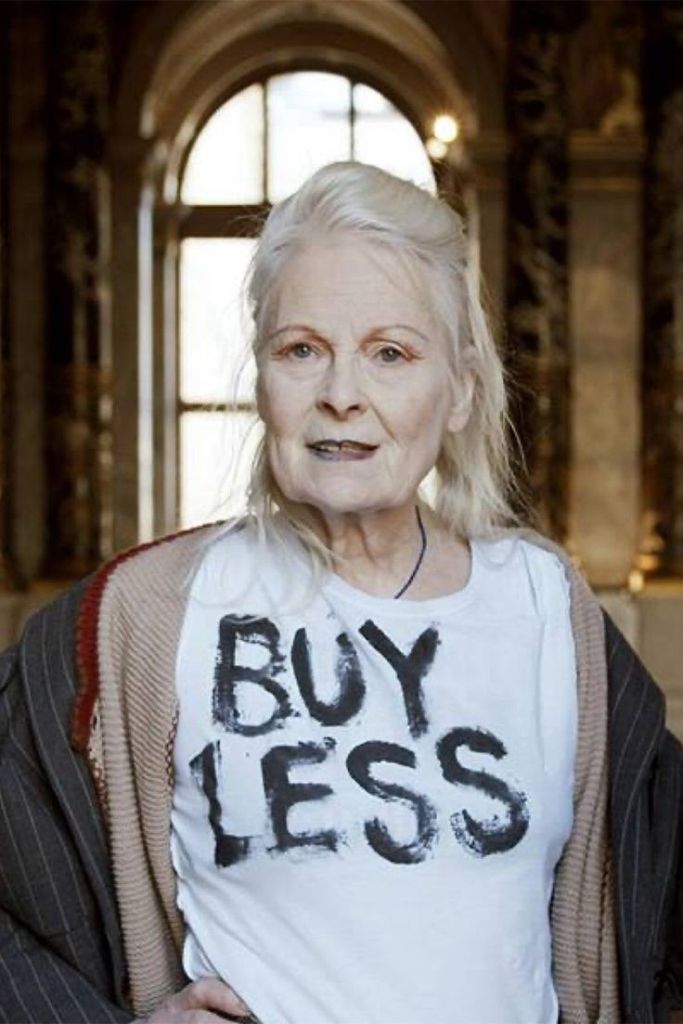
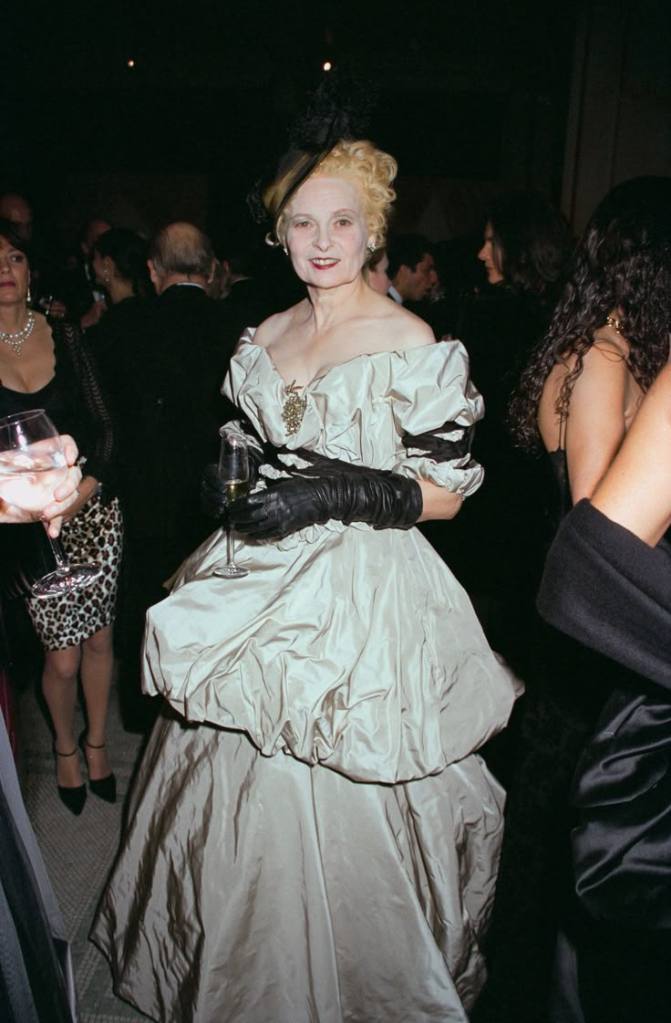
To collect or to consume? That was never up for debate for Vivienne Westwood, considering ‘Buy less, choose well’ has always been her motto. Known for experimenting with fabrics in her designs, from tartans to recycled textiles, she never shied away from embracing sustainability and resourcefulness. And instead of following up on the latest ins, Westwood would advocate for reimagining wardrobe staples and favorite pieces.
“As a fashion designer, I say buy less clothes. Keep wearing things that you’ve really chosen. that you love, and that is status. It’s not that you have to keep consuming,” she said in an interview with The Guardian in 2011. Ultimately, she believed in designing what lasts, not what spikes. Just goes to show that when fashion resists the pull of novelty, it ages more gracefully than the fleeting fads of the moment.
Sometimes, All It Takes Is A Muse
Ralph Lauren
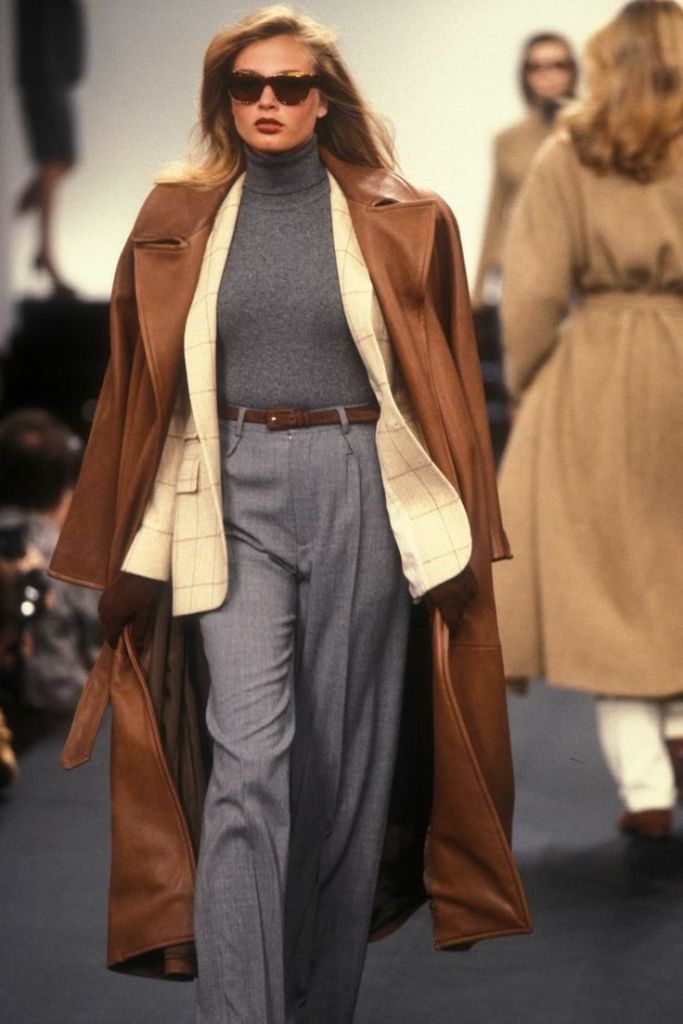
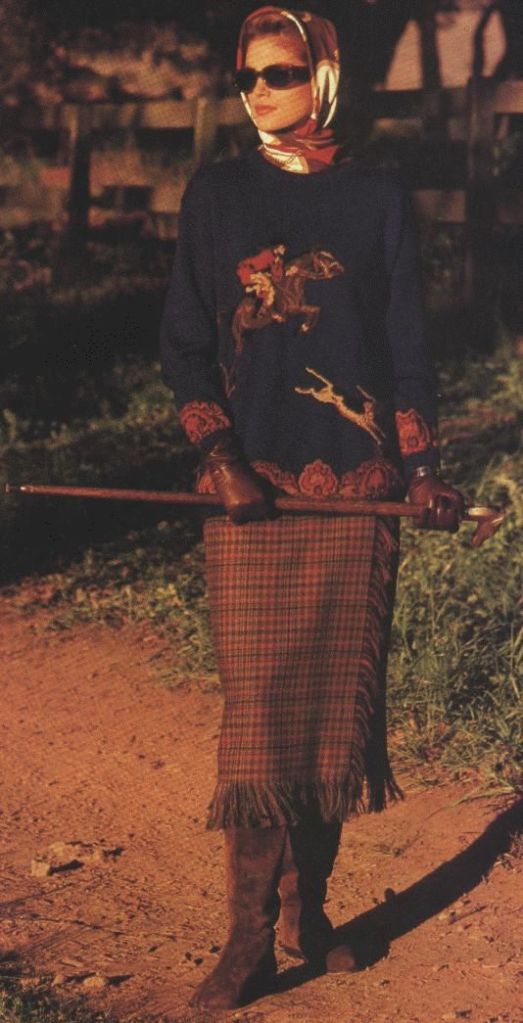
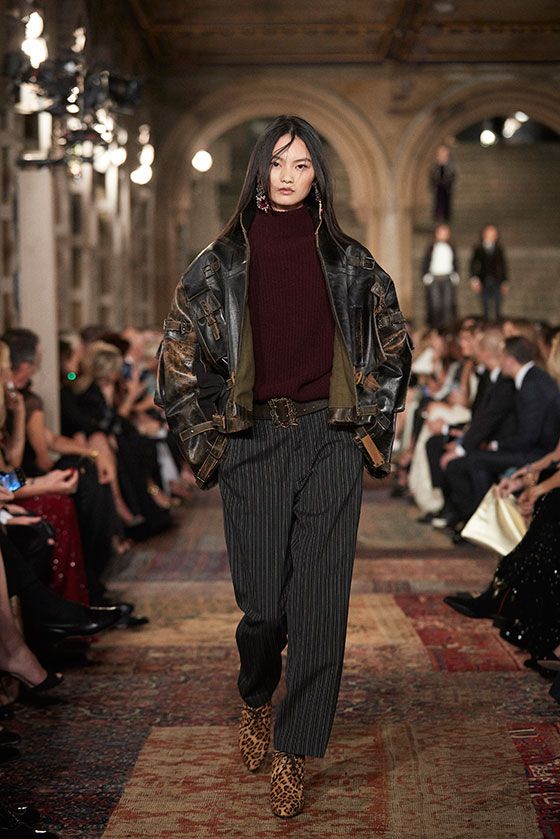
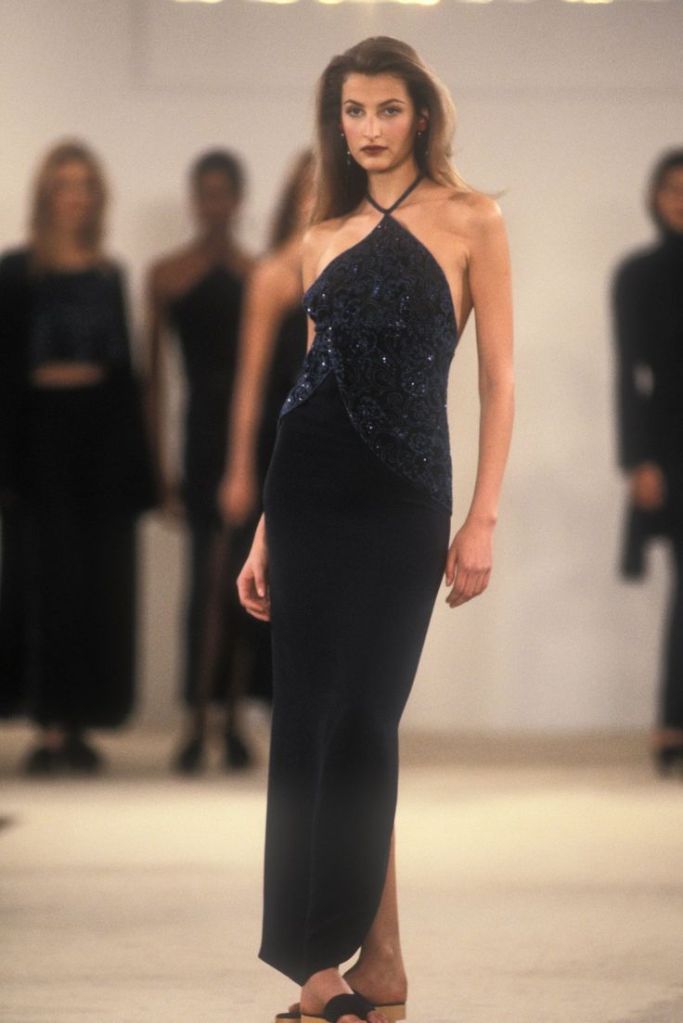
“My wife, Ricky, is my muse. She loves dressing in unexpected ways and changes her look as her mood changes from morning to night and from day to day. Her personal style and natural beauty have always been my inspiration.”
Ralph Lauren has often spoken about how she embodies the label’s American Lifestyle, the kind of woman he envisions wearing his clothes. In an interview with Charlie Rose in 1993, he said, “My wife was the girl that I thought was the girl. I liked the girl in jeans, a white shirt, rolled-up sleeves, and wearing her boyfriend’s jacket. I mean—that’s what I liked. I liked her in a convertible with her hair blowing in the wind. That’s what I saw.” Her classic way of dressing, timeless, understated, with a touch of ruggedness, helped shape the brand’s ethos. No one can say her influence wasn’t prevalent in his designs.
If there’s one philosophy Ralph Lauren has lived by, it’s admiring his partner, Ricky Lauren.
Beauty That Surrounds It All
Oscar de la Renta
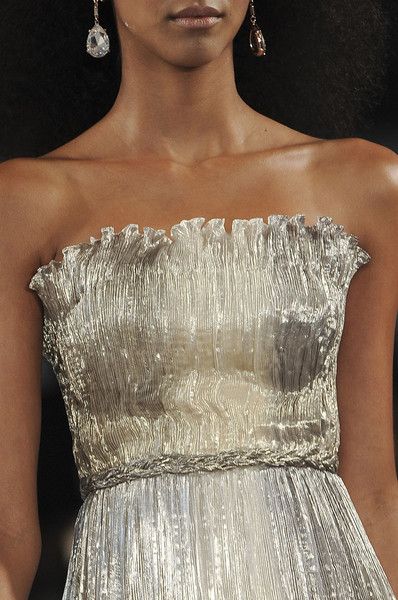
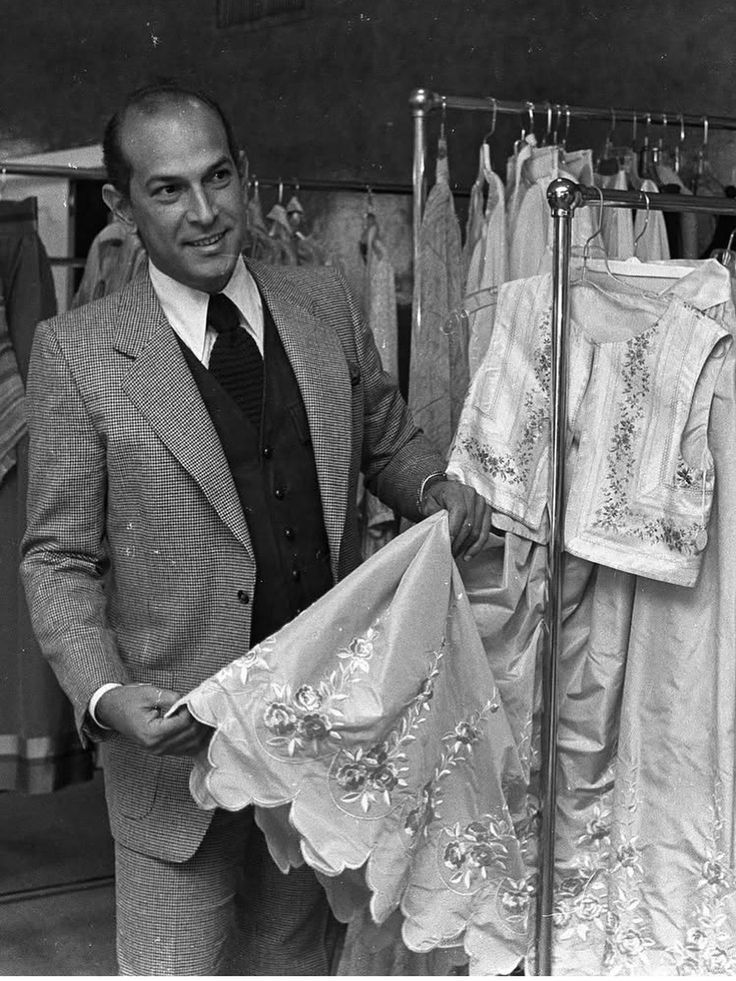
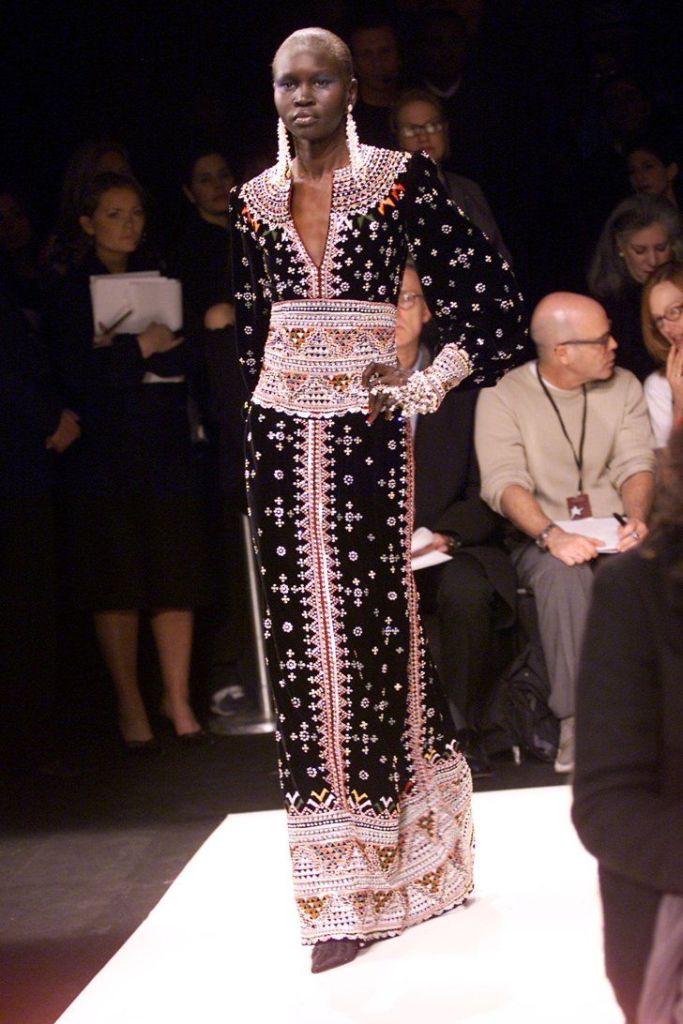
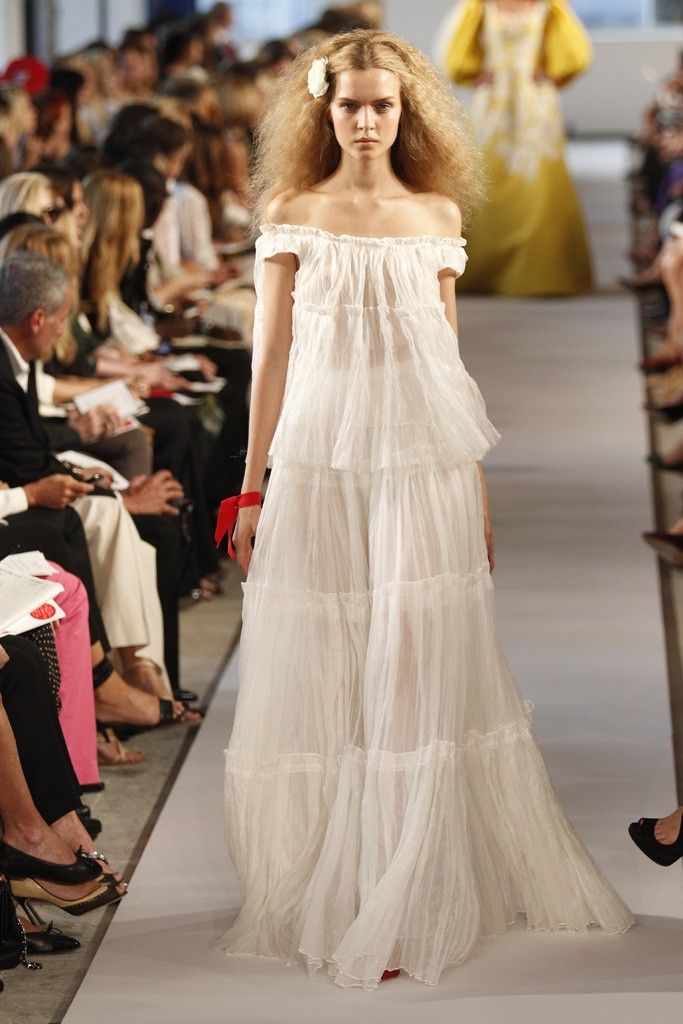
From studying painting to working as a fashion illustrator, Oscar de la Renta’s foray into design reflects his life’s work and artistic vision. His creations were rooted in flair and femininity, with ruffles, silk prints, soft silhouettes, and vibrant colors defining the brand’s decades-long charm.
Looking back on the archives Where 1965 Meets the Present, he stated, “I am a designer. Someone who cares for life, who lives, who loves.”
That spirit perfectly encompasses the brand’s legacy: lightness, exuberance, and above all, beauty. “While I think that all creative work is a form of artistic expression, is this real art? I don’t think that clothes for art’s sake by themselves could exist. You have to appreciate beauty for beauty itself, and perhaps that’s going to be a source of inspiration.”
The thread between an artist’s vision and their creation courses through their work, yet it is their source of inspiration that brings it all into focus. What unites these designers is neither a shared idea nor the nod of cultural approval, but a collective understanding: fashion is at its most powerful when it reflects something lived, felt, and profoundly believed in.

 The Violet Post
Leave a comment