A reflection by Andromeda Renia-Karoni
A few weeks ago, during another boring Uni study sesh, us girls were invited to attend Carnaval by a friend who celebrates. Being outside with just a blazer in the cold Dutch autumn weather did not intrigue us, but being together and gaining a new experience did—we decided to attend. In Holland not everyone partakes in the Carnaval traditions. I am from the middle (also referred to as above the rivers, meaning the rivers; De Maas, De Waal, and De Rijn), and only people from the South of Holland annually celebrate Carnaval (whom are referred to as under the rivers—in Holland, it’s common to ask people if they are from above or below). What intrigued me about this event was the unique fashion traditions within it (no jackets or coats, just emblem adorned blazers) alongside the rich history behind the event as a whole. I’ll examine both of these aspects in this article.
Fashion aspect


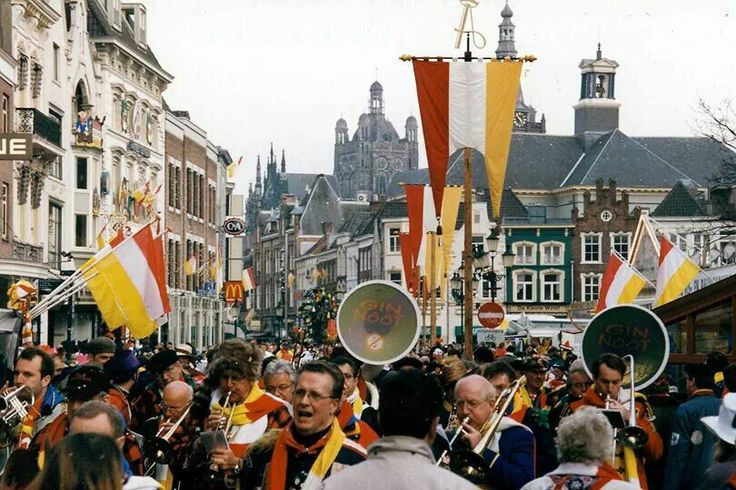
On the 11th day of the 11th month, at exactly 11:00 AM, the annual Carnaval season begins. As the name implies, Carnaval includes lots of drinking and partying, but there is so much beyond that. The big cities all get a different name during Carnaval; ´S-Hertogenbosch becomes Oeteldonk (referring to the Oeteldonk frog swamp–more about this later), Tilburg becomes Kruikenstad, and Eindhoven becomes Lampegat. We celebrated it in Oeteldonk, where strict fashion rules apply. It is mandatory to wear the local colours: white, red, yellow. Otherwise, you won’t be let inside the city to celebrate. It is also a tradition to have a pimped blazer, ordered with emblems. Young children get their first empty blazer and add one or two emblems every year. While I walked around the city, it was so lovely to see people of all ages wearing such unique blazers. My friend lent me her old one, and told me the story behind each of her emblems while she rocked a new jacket, starting the process all over again. The tradition of pimping your own blazer for Carnaval goes way back.
I also really admired the sustainability of the concept–I was told that a new blazer is only purchased once the old one does not fit or is damaged beyond repair. Starting as a child, and then a teenager into adulthood, three to four blazers should be sufficient as a maximum for your entire Carnaval life. There’s also a tradition of passing down of blazers. Getting your grandma’s vintage pimped one as a hand me down, for example, is iconic—as it is any time you’re carrying a piece of clothing that can’t be purchased or recreated. It makes me inexorably happy to see how sustainability occurs indeliberately when there’s love involved in a wardrobe. After we were done partying, I felt a bit sad that I wasn’t from a region that partakes in the celebration, because the entire vibe was amazing (and I secretly did not want to give the blazer back to my friend).
History aspect

In 1882 a group of people from ´S-Hertogenbosch came up with ‘Oeteldonk’ as a parody of the farmer’s life. The city would transform into a village, and the elite society was replaced with a landowner and a farmer called ‘Knillis.’ Everyone would become a farmer (with their outfits), entailing equality for all. This grew to become Carnaval in ´S-Hertogenbosch because it was so different from other Carnaval cities in Holland, where they merely dress up like you do for Halloween. Oeteldonk is unique –everyone is dressed the same, but in their personalized way, allowing all the participants to be seen as an equal.


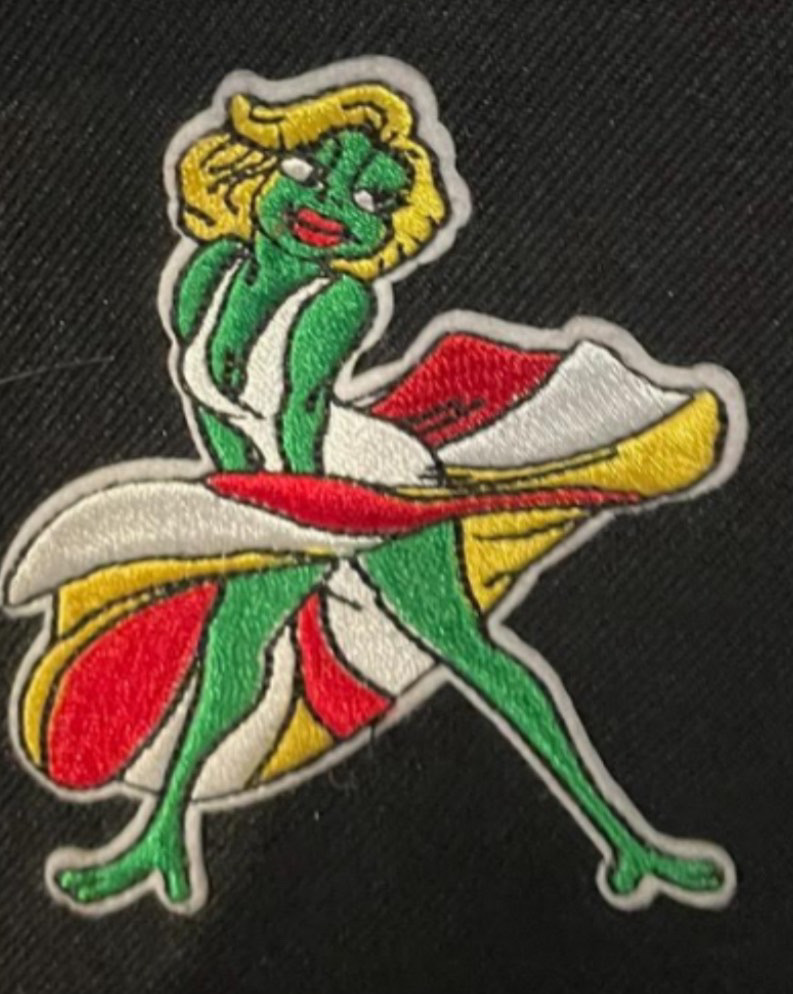
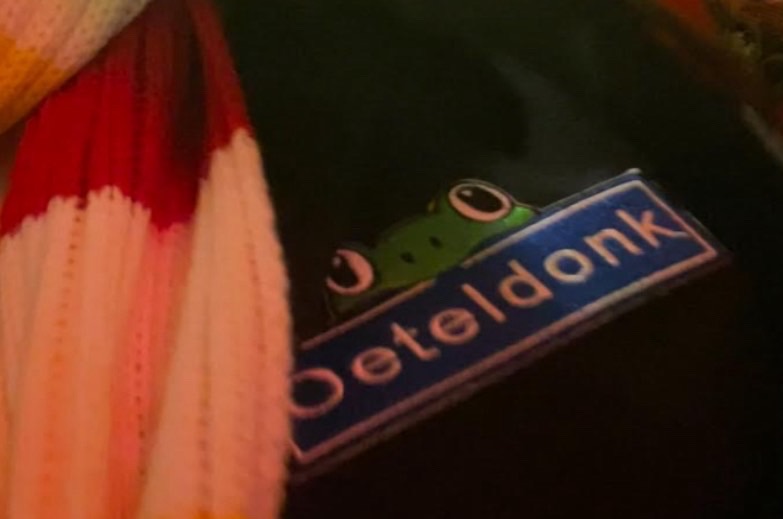

It was such a fun experience to be part of this year and to learn more about personalizing fashion. I hope that reading this article sparked a creative note within you, comparable to my experience on 11/11 in the city of frogs.

 The Violet Post
Leave a comment