An article by Palina Zapylenova (part one of a two part series)
pt.1
What we know about Japandi
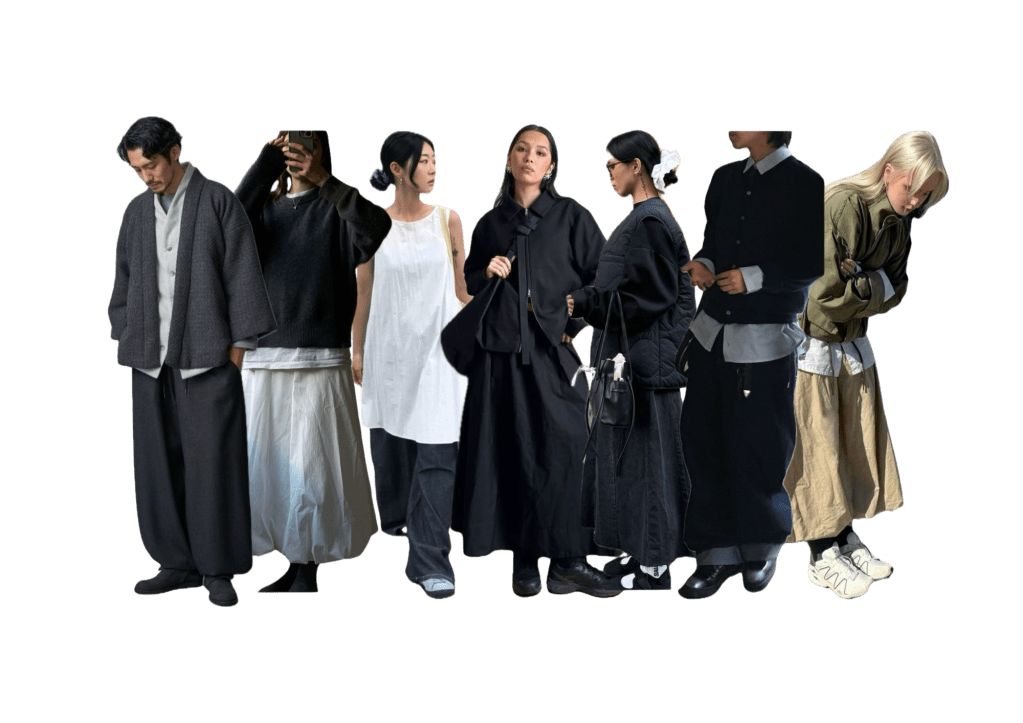
September is like a bridge between summer and fall. One day you won’t leave the house without a coat, and the next you’ll pull out that linen top that saved you from the 30-degree heat all summer. As soon as October arrives and the cold days become more frequent, layering comes into play, linen is replaced by wool, and cotton by cashmere. By November, we already have a clear idea of what our wardrobe will look like for that season. The change of weather means not only that fashion adapts to it, but also that new trends are coming, even if they’re just micro ones. In some cases, it takes a while to see how successful a fashion trend really is. So let’s talk about what Japandi is, how it became an integral part of the spring/summer 2025 season, and how it can take us into fall/winter 2026.
What is Japandi?
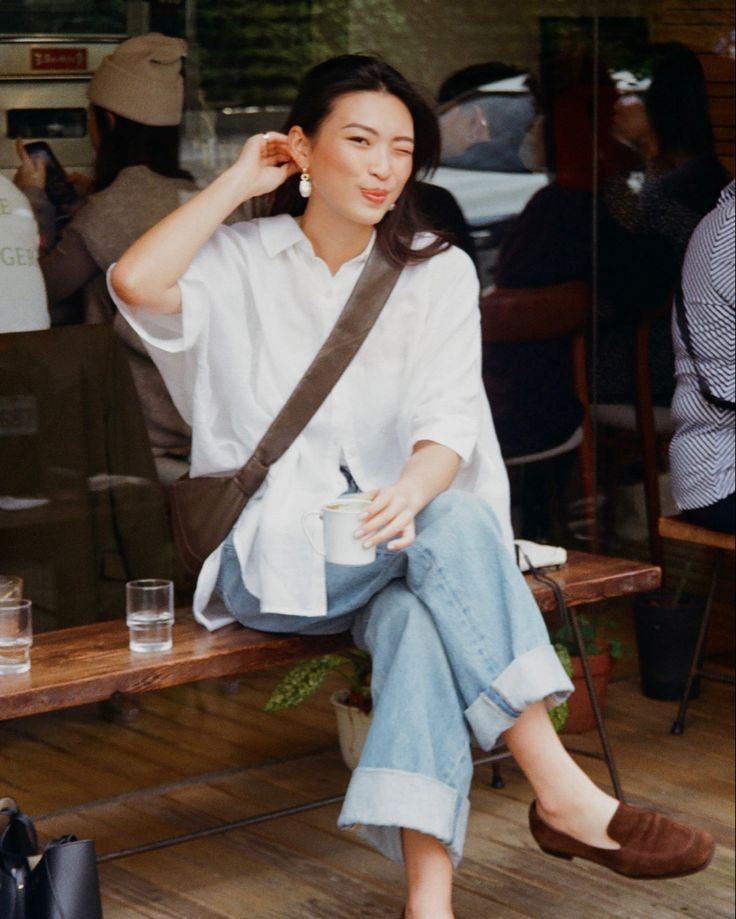
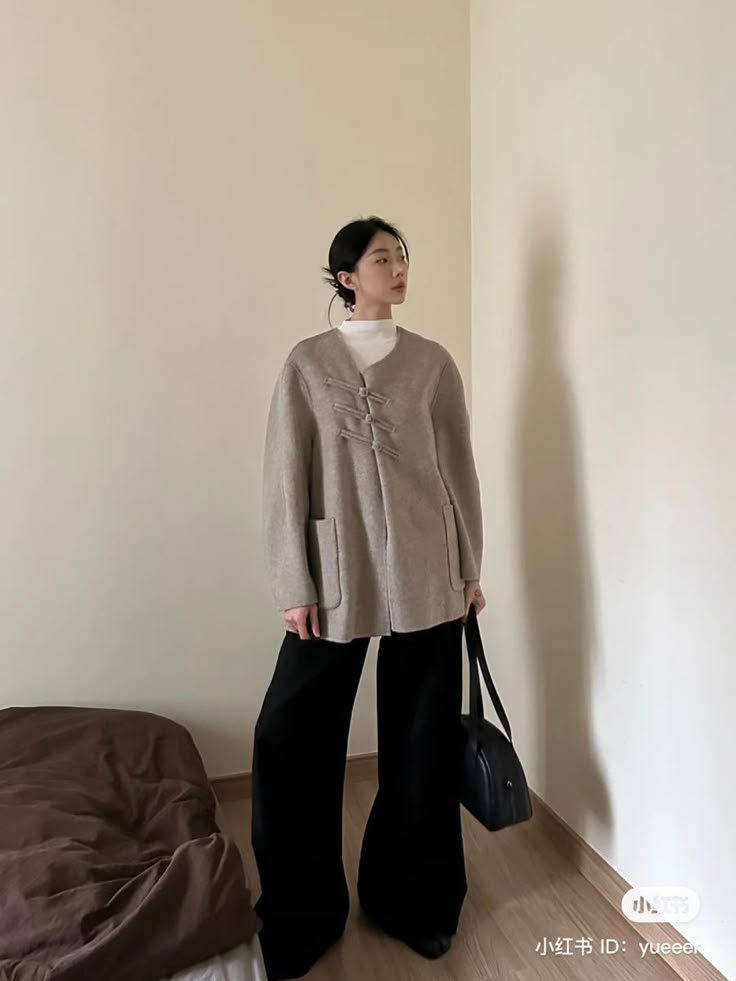
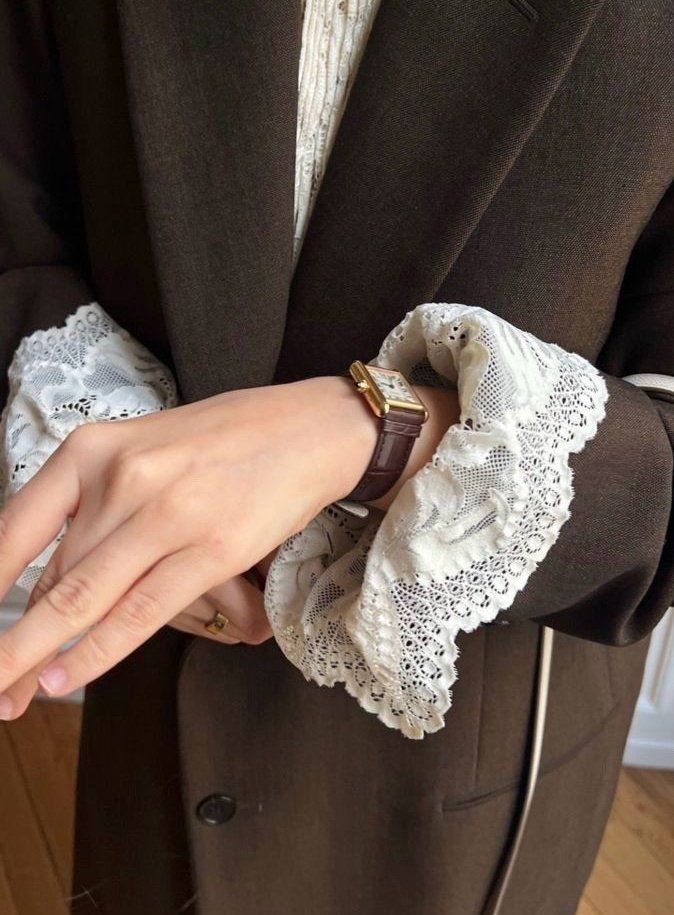
This phenomenon is better known in the field of interior design, but it is not surprising that it has been so successfully integrated into this year’s fashion trends through its philosophy. The word itself is a neologism, combining Japan and Scandi (a colloquial term referring to Scandinavia). Thus, Japandi fuses two cultures that have been renowned for centuries for their “less is more” approaches and two philosophies of design and life: Japan’s wabi-sabi (an aesthetic and spiritual concept that finds beauty in imperfection, impermanence, and incompleteness) and Scandinavia’s hygge (a Danish concept of well-being that consists of creating a warm and comforting atmosphere, and appreciating life’s simple moments.).
typical characteristics of japandi fashion
What it takes from both cultures in general terms: Japanese influence is expressed in simplicity, natural materials, and muted palettes, the Scandinavian part adds functionality, lightness, soft textures, and, in the case of colors, gives a preference for natural tones and shades. The palette does not always mean only muted colors, but we are unlikely to see the bright shades often associated with Eastern culture, which I’ll discuss a little later.
Now, what makes Japandi outfits stand out visually? You could say that this trend is pretty new to the Western world, so the boundaries are a bit blurry. But there are a few key points that help us figure out if we’re looking at Japandi:
First and foremost, the silhouette: simple, loose, and comfortable. With this description, one might think of total oversize, but Japandi is about balance, not shapelessness. Outfits can often be complemented with wide belts to create a more fitted silhouette, but we will never see a completely fitted silhouette. Structure is also created with wrap details. Japandi is about clothing that moves with the body.
Then, of course, there is the color palette. In this case, Japandi intersects with what is commonly referred to as minimalism or the “quiet luxury” style. As I mentioned earlier, we are more likely to see a muted and neutral palette. It is worth giving preference to natural colors such as white, beige, brown, gray, blue, and black. However, if you decide to add color, then in this case, muted shades are the way to go. Japandi is far from eccentric, and attempting to combine bright colors will take you in a completely different direction. Even when choosing a shade, you need to be very careful to avoid geometry and sharp transitions. Here’s a little tip on which colors to pay attention to: (scheme colour – muted colour schemes https://www.schemecolor.com/search/muted).


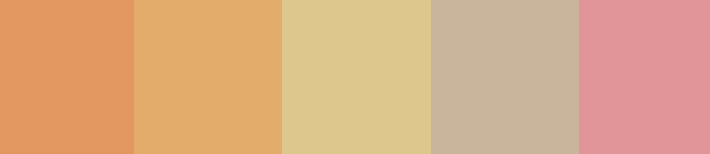

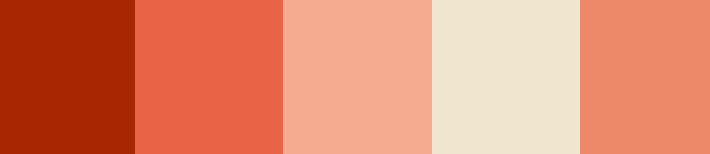
The choice of materials and textures shouldn’t be overlooked either. Since the Japandi trend appeared in the warm season, the choice of fabrics was appropriate. We saw a lot of cotton, linen, bamboo, lyocell, and hemp (a fabric made with fibers from the stalks of the Cannabis sativa plant). The overall picture is immediately apparent: no synthetic fibers. It is important to mention the difference between artificial and synthetic. Artificial fibers are obtained by processing natural raw materials, while synthetic fibers consist only of chemical components. As in the case of lyocell, the raw material for its production is Australian eucalyptus wood, but the fiber is classified as artificial due to the type of processing. (This material is mainly used for the production of bed linens, but due to the steady increase in temperatures during the summer season, it can be seen more and more in clothing stores. It is more breathable than cotton, hygroscopic, easy to care for, and hypoallergenic.) It is important to note that all of the above materials have a matte finish. Although silk is also a natural material, it does not quite fit into the Japandi aesthetic.
And last but not least—philosophy. Even though we can see layering as one of the main styling tips for Japandi, it remains within the “less is more” aesthetic. It is very important not to overdo layering for japandi style. Outfits in this style should not be visually tiring or restrict movement. The basic elements of a capsule wardrobe are used, creating layers with basic white T-shirts and lightening the silhouette with classic black trousers.
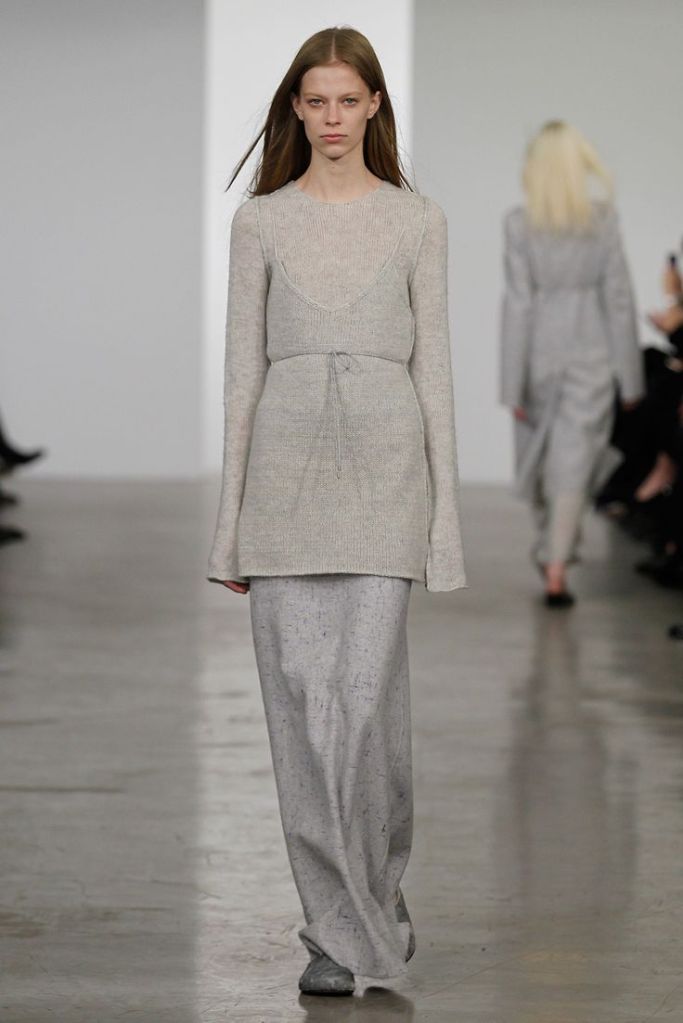


What is commonly referred to as Scandi style in fashion has only continued to gain popularity in recent years. Copenhagen Fashion Week has not yet secured the same position as the golden four—New York, London, Paris, and Milan—but it is hot on their heels. It is not the designers themselves that are attracting the most interest, but rather their attending audience. However, Scandi fashion reflects the philosophy of life in the northern countries and, in many ways, does not borrow much from traditional clothing. At the same time, Japandi, and specifically from its Japanese half, is largely inspired by traditional clothes. It is thanks to the blending of West and East that this style can be said to be culturally appropriate; it does not copy but is inspired, transforming it into something completely new.
stay tuned for p2.


 The Violet Post
Leave a comment