An article by Karen Kamel
Every time I visit my grandma’s place, I’m eminently struck by her home library. Each corner is lined with old books, vintage fashion issues, Burda-style pattern catalogs, interior design periodicals, and even random travel guides. It’s like a world of its own, real tokens where the passage of time is visibly etched. Remembrance and references. Taste and subculture. All preserved in the texture of paper and thought.

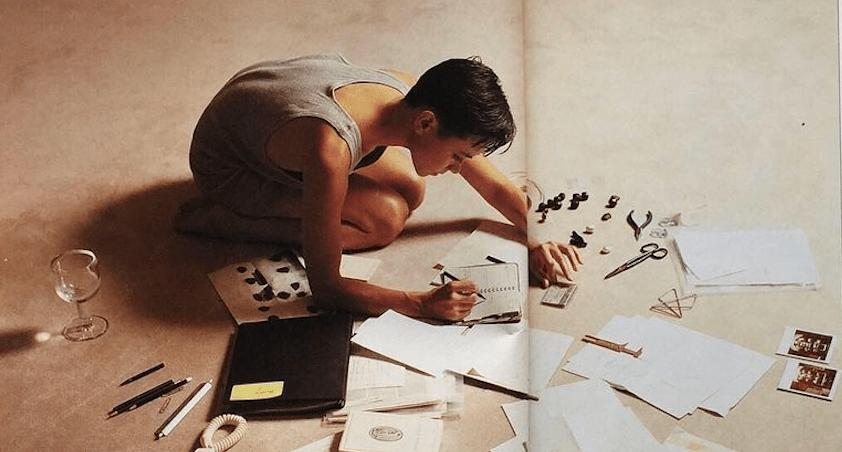
Winona Ryder (1994).
What was previously monopolized by a select group of people, who could get their hands on print, is now seen as an anachronism. With the world, on which the grounds of fashion are at play, moving at breakneck speed, it is far less complicated for people to check their phones for frenetic real-time, moment-to-moment information for free, mostly.
Granted, with its vast accessibility and ease of search, digital media left consumers little choice but to place it under the ‘favorable’ column. And for good reason. Anyone can quite possibly dive into the topic of interest, bookmark, highlight, categorize, and stream anything and everything, anytime, anywhere, all at once. Surely, publications had to keep up with the times, but on the other hand, the absence of effort in instant gratification took the form of another arduous trade-off.

The collection of one’s own personal media curation is fading, or at least, the kind you get to keep is. Consumption has always entailed acquiring a product, or the value of it, but paying for the digital copy really, only simulates that sense under false pretenses. The payment merely grants access, not the material; like the terms of a lease, provisional and impersonal. In turn, the notion of ownership has become not only fleeting and forgettable but also devalued.
Digital-based information can be withdrawn, censored, or erased without a trace. While the disposability of online content is a threat that can take place at any given moment, print is forever. You can rest assured knowing the knowledge is lodged somewhere at your place. After all, what value does auto-fed content hold when so little remains of what’s owned and archived?
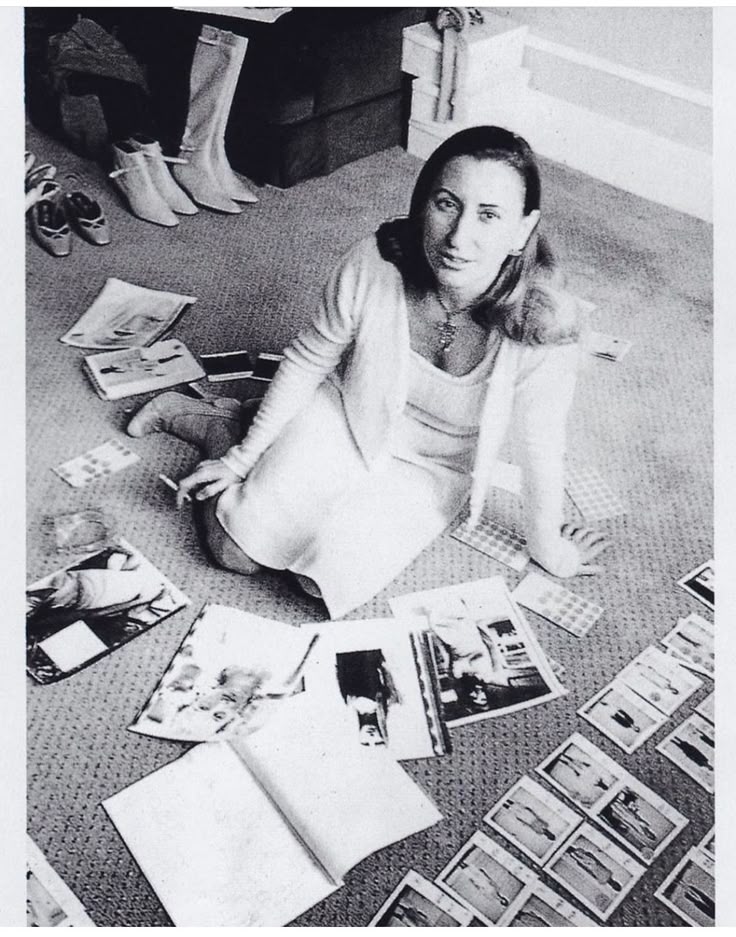
Miuccia Prada.
I always felt that there’s something peculiarly indulgent about the tactile, one-way nature of print magazines, especially fashion ones. Whether it’s cutting out editorial looks for boards of inspo or flicking through the glossy pages, it lures me in without fail. And even though those same doings can be transposed onto an online outlet, it’s not quite the same experience. Maybe it’s the in-the-moment stillness, maybe it’s the promise of longevity. All I know is that amid the endless interactivity of the digital, print feels like a breath of fresh air.
Online subscriptions don’t have to replace possessions; they can complement one another. Get the best of both worlds. I’d rather have stacks of magazines and books piling up on my shelves still while knowing that the omnipresence of digital doesn’t connote the death of print. The world has long been accustomed to the digital environment, but I still find myself veering back into the traditionality of the print-based chronicle from time to time. Because even as the weight of possessions slipped from our hands, the value of owning them never did. What lasts never truly becomes obsolete.
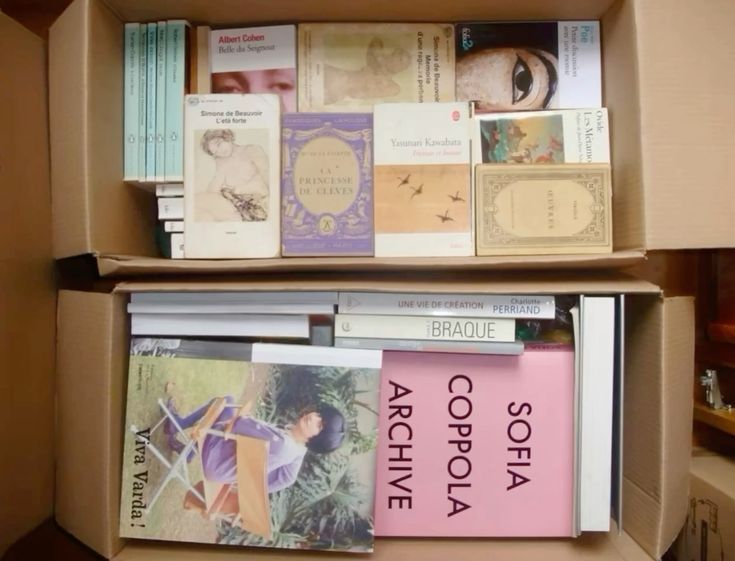
Funnily enough, when I asked my grandma if I could steal some of her vintage magazines, she gladly told me to take them all, as she’s starting to hate the clutter. If only she knew.

 The Violet Post
Leave a comment