An article by Karen Kamel
There’s nothing like having something that you can call your own. Not merely the ownership of the item itself, but seeing fragments of your life embedded in it, like it has ‘you’ written all over it. The people you meet, the places you experience, and all the things you pick up along the way. It all becomes a part of that one very thing. In the sense that an heirloom holds generational significance, but instead of it being passed down with its already existing essence, you get to own its memories, present and its future nostalgia. You get to make it your own.
Just as we leave traces of ourselves on the things we love, certain influential figures have embodied this phenomenon through their own fashion peregrinations. Their way of life became inseparable from something as simple as the bags they carried, leaving behind living extensions of who they were, and memories through which the world continues to emulate them.
Let’s revisit the women who helped create the lore of ‘iconic’ bags:
Jane Birkin/ Hermès Birkin
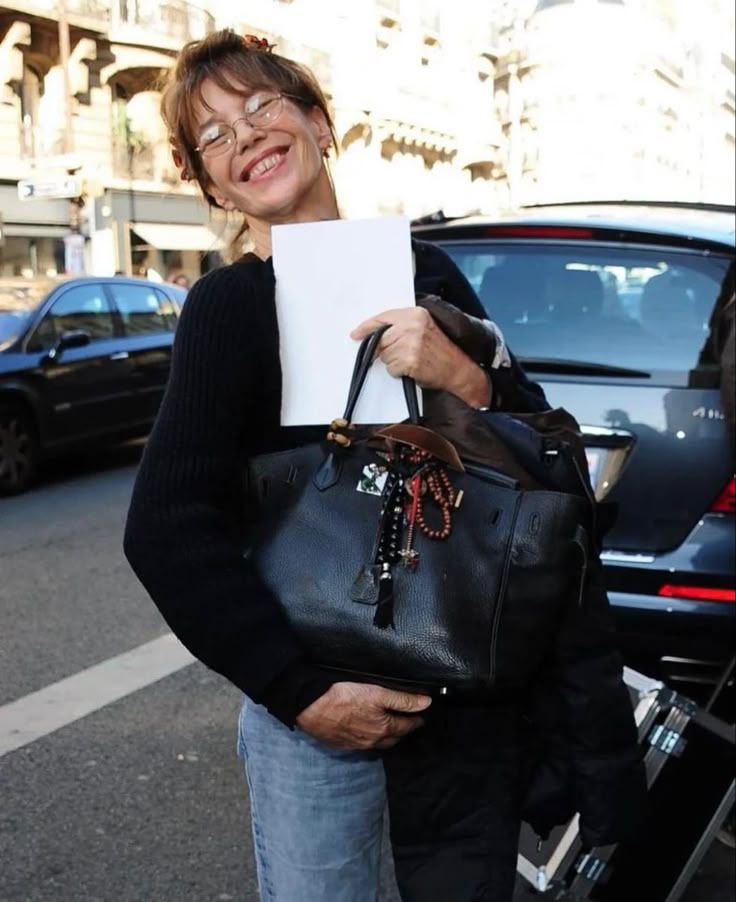


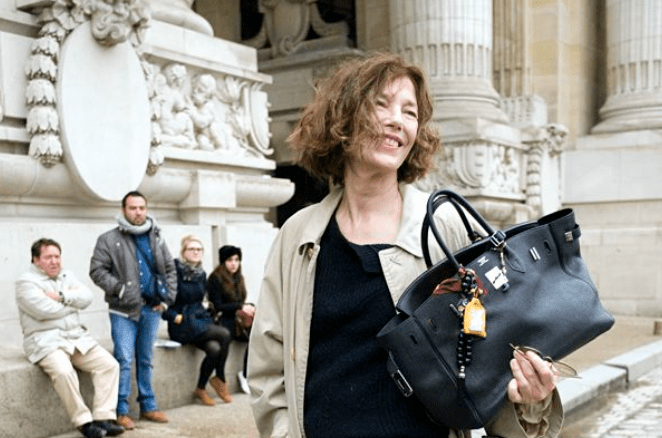
Unlike those who tuck their most prized bags away on a shelf, with fear of tarnishing the finish or diminishing its value, British-French ‘it’ girl Jane was using her Birkin bag amorously and extensively, exactly the way it was intended. Before then, her signature look was quite simple, a fitted white tee, blue jeans and a wicker basket in hand. Until a coincidental meet-up with Jean-Louis Dumas, then-Hermès chief executive, on a flight from London to Paris took place where the two were seated next to each other. As the contents of her agenda spilled out, she complained about the lack of room there is for her belongings—no bag seemed spacious enough. A conversation, a few sketches and a rough prototype co-designed by Dumas later, and the Birkin was born!
What once was what Ms. Birkin considered her everyday bag, became a worldwide luxury paragon, that some would even argue that the bag was more known than the actress herself. The creases in the leather told a story of a truly cherished and lived-in bag. She wasn’t afraid to fill it to the brim either. She, also, was the one who wildly popularized accessorizing bags with charms, trinkets, custom adornments, key chains and so much more. Her ability to accentuate the bag with bits and pieces of her life not only gave it personality, but made it her own vibrant, exceptional statement. It was not perfectly curated or polished, but that was the beauty of it. It is no surprise the trend to ‘Birkinify’ bags has gained momentum, people are attempting their own take on individuality, especially in an era where personal expression is fading and is being replaced by agreed-upon trends and homogeneity.
This last July, the original Hermès Birkin made for Jane Birkin in 1984 sold for 10.1 million dollars at Sotheby’s auction in Paris, breaking the global record of the most valuable bag ever sold at an auction. As Sotheby’s global head of handbags and fashion, Morgane Halimi, noted in BoF, “The sale of the Original Birkin is a celebration of the enduring spirit and appeal of its muse, Jane Birkin.”
Jane proved that it’s not just about the bag, but about the woman who carries it, and how she carries herself, evoking authenticity and a true sense of self. Though iconic, nothing, not even this one bag, could encapsulate everything she was. But it remains a token of her legacy that still lives on to this day.
Grace Kelly/Hermès Kelly
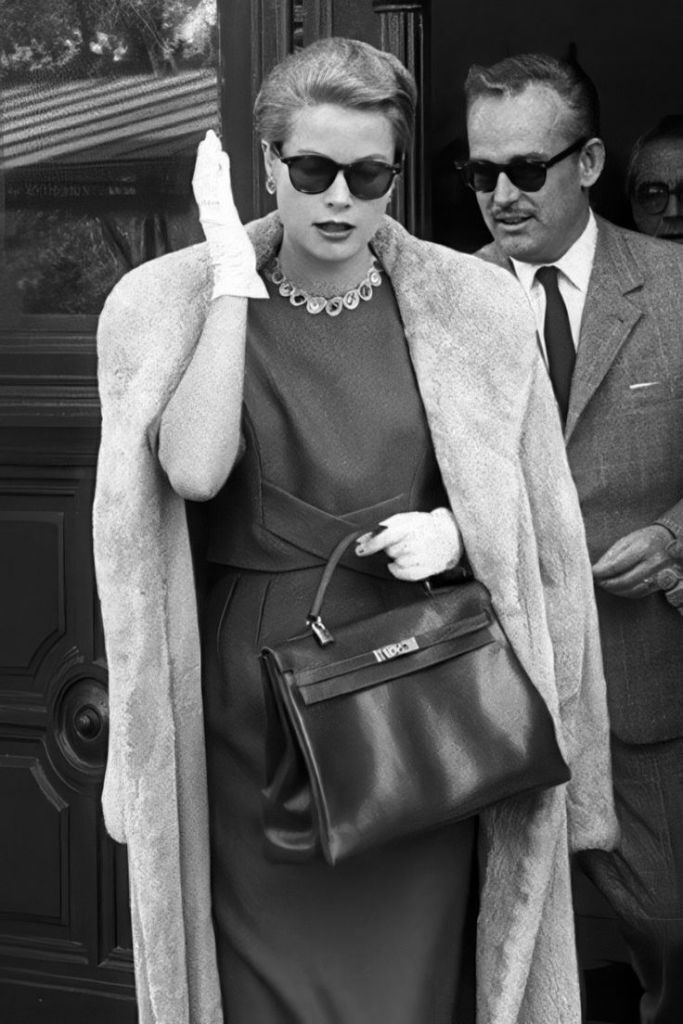
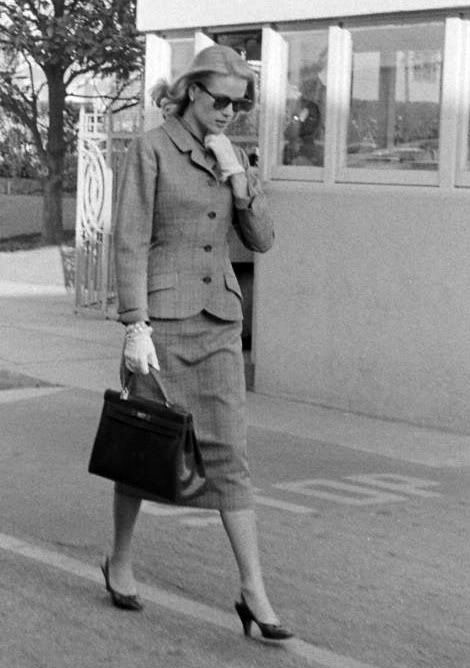
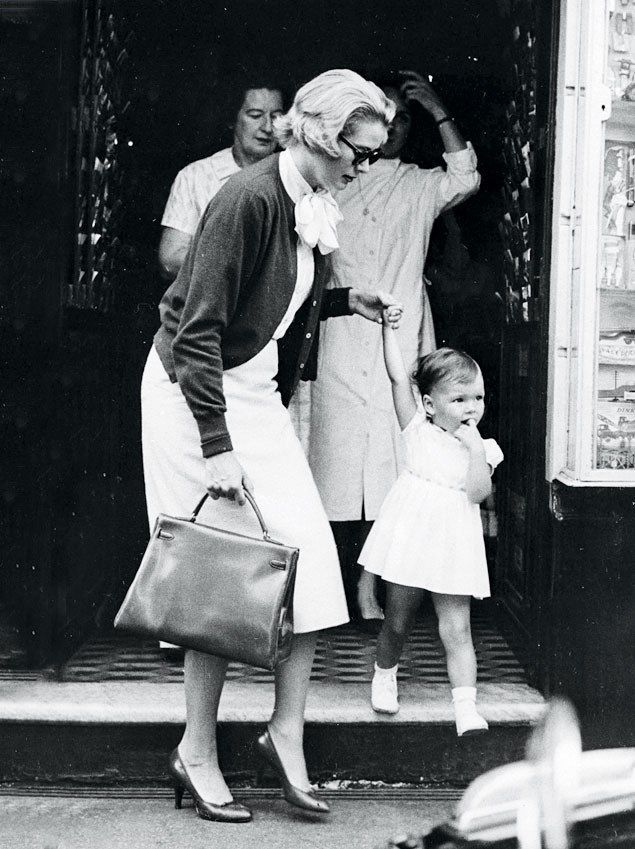
Another Hermès legacy had already made its mark on the world of fashion long before the Birkin: the Kelly. A status symbol that cannot be achieved at just a point in time. With such sophistication and opulence, this bag could not have been dedicated to anyone but her, Mrs. Grace Kelly.
Before her renowned association with the bag, it was originally created in 1935 under the name ‘petit sac a courroies’. What wasn’t a commercial success at the time quickly turned into a head-turner, all thanks to the American-turned-Monégasque muse. It all started when she was filming the infamous “To Catch a Thief”, and costume designer Edith head styled her with the Hermès bag. She was so in awe of the bag that she was constantly photographed carrying it, especially during her transition to becoming a member of a royal family. Some say that the bag gained even more traction when she used it to shield her abdomen and hide her pregnancy. Naturally, the Princess Grace of Monaco was credited for popularizing the bag, and it became a key accessory in her royal wardrobe in the 1950s. The bag was officially renamed for her in ’77.
Prior to being christened the Kelly, the bag was characterized by its structured, geometric look, but looking deeper into it, the sac reflected cultural, societal changes that occurred in the time of its creation. Grace Kelly turned a model that rose from the era of practical bags and hallmarked it into the symbol of elegance and timeless poise. Because of its namesake, the bag secured its place in fashion history. And today, the ‘Kelly’ bag still holds that ineffable charm that makes it one of the most sought-after bags in the world.
Jacqueline Kennedy/Gucci ‘Jackie’ bag

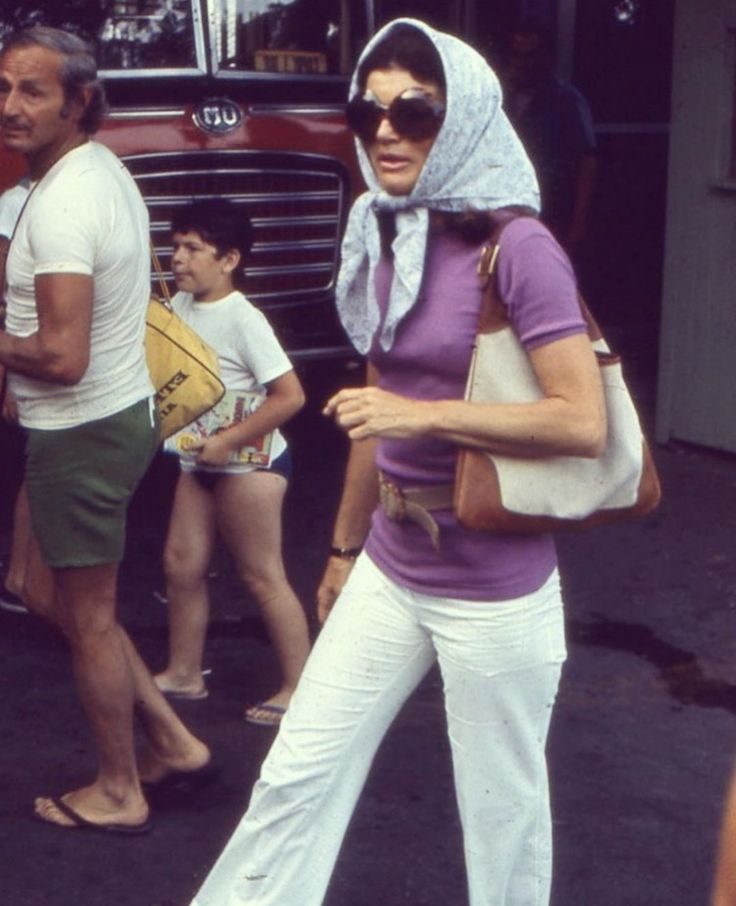

On a random day in the early 60s, Jacqueline Kennedy entered the Gucci boutique and left with six of – what was initially known as – the Constance bags. And after getting a hold of it, she was rarely ever seen photographed without one. Ultimately, her loyalty to the bag propelled the fashion house to rename it in her honor, ‘the Jackie’.
Known for its crescent-shaped silhouette and piston-shaped closure, the Jackie represented the contemporary casualness and style of that era. The bag only solidified Jackie’s fashion style icon status within her time as it’s claimed to have been one of the most photographed bags in the 1970s. It was recognized as part of Kennedy Onassis’ repertoire, and it’s still relevant in today’s fashion, a true testament to its timelessness. Spanning across the different eras of the Italian Maison, creative directors Tom Ford, Frida Giannini, Alessandro Michele each made simple tweaks to the bag here and there. Most recently in 2020, it has been reinstated and renamed by Alessandro as the Gucci Jackie 61, preserving its distinctive heritage intact.
Versatile. Classic. Unconfined yet chic. Jackie O’s fashion sense never strayed from those qualities. The logo-lessness of the bag had to have been appealing to the former first lady, but it could also be its notable versatility; it goes with nearly anything. No other bag could have complemented her American-classic ensembles, signature oversized bug-eye sunglasses, and silk scarves more perfectly than the Jackie bag. She remains an inspiration and a forever muse to the Gucci atelier.
Princess Diana/Lady Dior
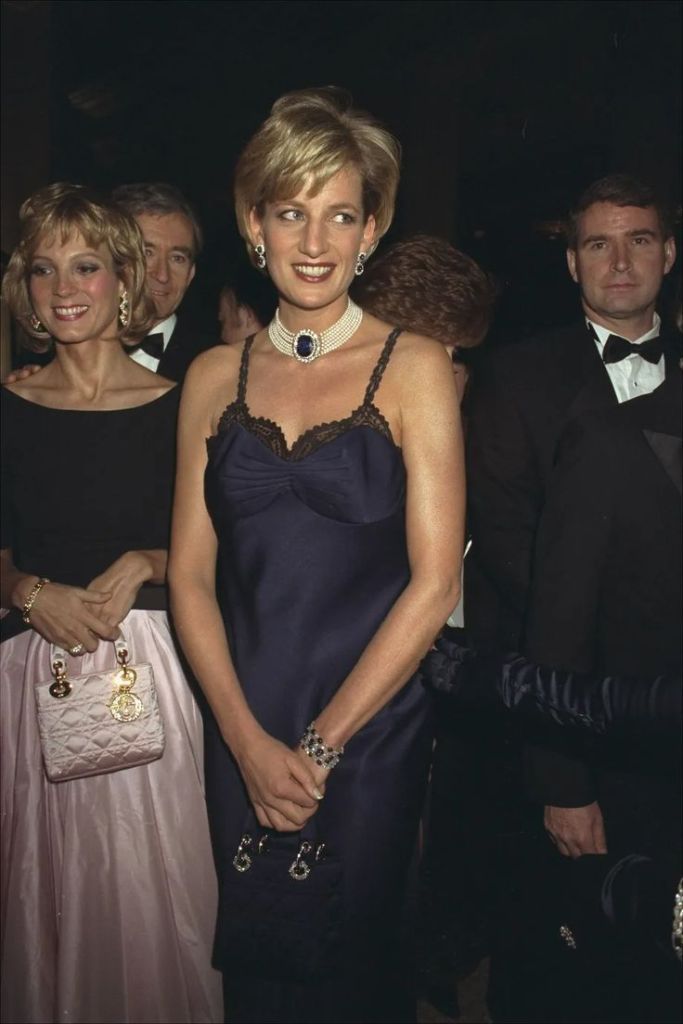
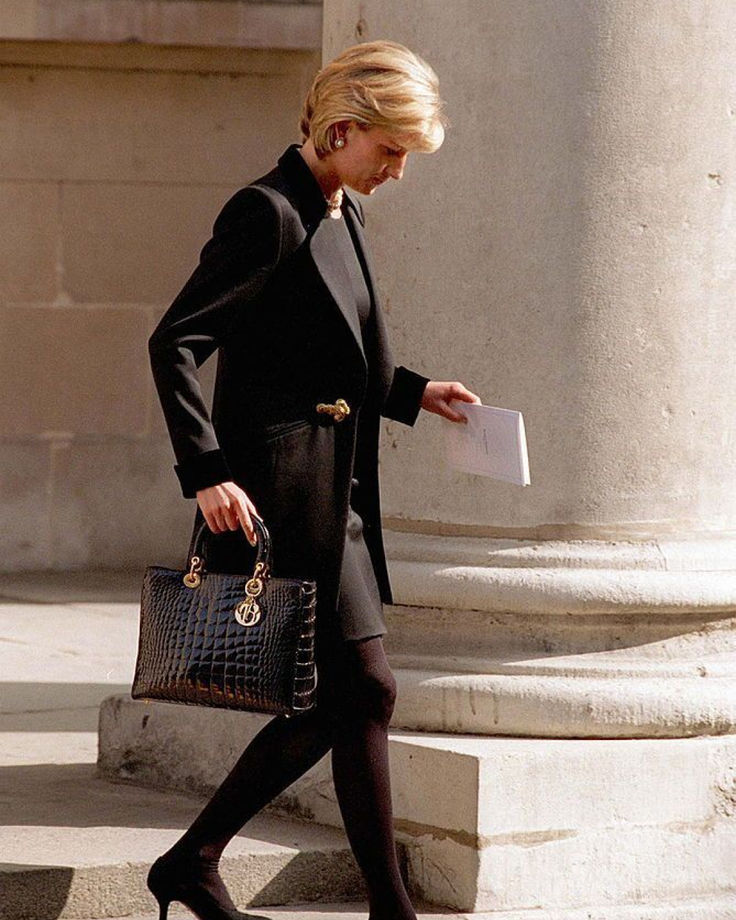
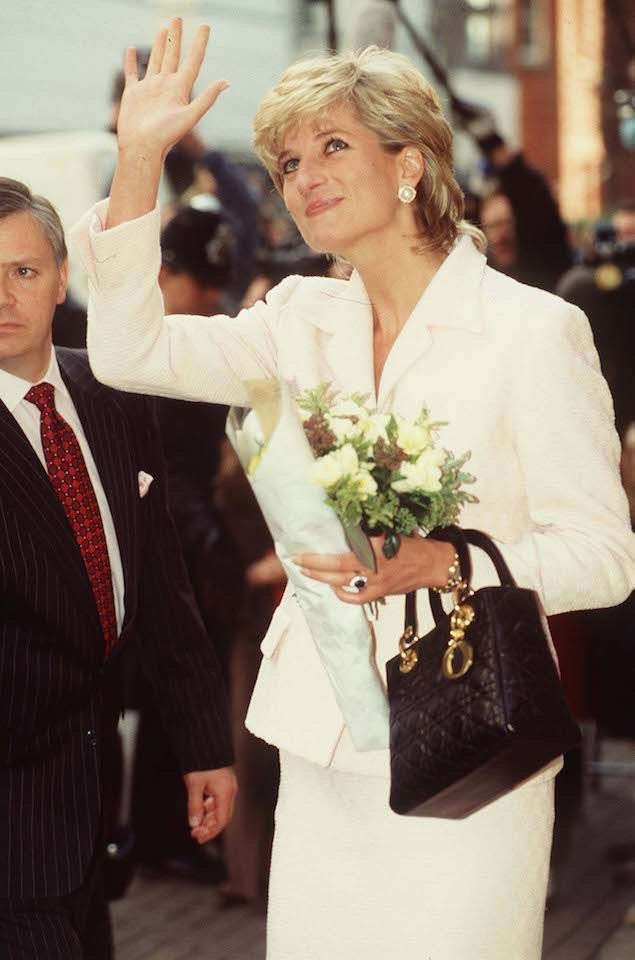
In 1995, upon her arrival in Paris, Princess Diana was vastly welcomed by former French President and his wife when attending an exhibition at the Grand Palais. In true French fashion diplomacy, the first lady of France specially gifted Princess Diana one of the most newly-coveted Dior bags in the 90s, initially known as the Chouchou bag. The people’s princess was evidently infatuated with the bag. The bag, designed by then-creative director Gianfranco Ferré, stood as a mark for the long-standing refined craftsmanship of the French house, but also lived on to represent the expression of the late Princess Diana, eventually renaming it the Lady Dior.
The classic silhouette of the bag, the one-of-its-kind cannage pattern, the set of ‘D.I.O.R.’ charms dangling off one of the rounded top handles; discreetly paying homage to the Maison and its couturier Christian Dior. The French heritage carefully sewn into every stitch easily complemented the British princess and her regal look. It was a match made in heaven; the bag seamlessly aligned with her ever-so quintessential, classy status in the fashion world.
Maria Grazia Chiuri followed Ferré’s direction, reimagining the classic silhouette of the lady Dior with a hint of modernity. She designed various iterations of the Lady Dior while still honoring the original flair of the one debuted 30 years ago. Now, it is adored on the arms of women across the globe, each embracing not just an eponymous bag, but Diana’s graceful, unapologetically bold self.
Like a time capsule, defying rules and expectations.
Being a muse exists on the same plane as becoming the forethought of a concept and a reference point for the future. Ultimately, leaving behind an imprint, and setting the standard for what follows. Their influence certainly goes beyond just being tied with a label, or even the memory of an unforgettable bag. And above all, the product of their expression doesn’t merely linger in retrospect, but lives on as an eternal source of inspiration.
That’s the enduring power of a muse.

 The Violet Post
Leave a comment